
"coffee culture in Kenya"
2000 article(s) found

A brief introduction to the Origin, Development, History and Culture of Fine Coffee beans in Berman Manor
Implement the presidential system. The cabinet is composed of 26 members, including the President, the Vice President, ministers and the Attorney General. The current cabinet was established in June 2013 and is composed of the President, the Vice President, ministers and the Attorney General. The cabinet list is as follows: president Uhuru Kenyatta (Uhuru Kenyatta), Vice President William Luto (William Ruto), Ministry of Interior and Central Government Coordination

Kenyan Coffee Culture Kenyan Coffee Development
Coffee entered Kenya in the 19th century, when Ethiopian coffee drinks were imported into Kenya through southern Yemen. But it was not until the early 20th century that the Bourbon Coffee Tree was created by the St. Austen Mission (St). Austin Mission) is introduced. Kenyan coffee is mostly grown at an altitude of 1500 to 2100 meters and is harvested twice a year. To ensure that only ripe berries are picked, people must

An introduction to the Cultural Origin of the Price of Coffee in Kenya-when was it planted in China
The Kenyan national emblem established in 1963 centers on a shuttle-shaped shield emblem consistent with the national flag, with a golden lion on each side, a spear and a shield emblem. The white rooster with an axe in the back is the emblem of the African National Union of Kenya. According to the local tradition, the rooster symbolizes the new life. The two male lions embody national sovereignty and national dignity, and also imply that Kenya and

A brief introduction to the Origin, Development, History and Culture of Fine Coffee beans in Berman Manor
Kenya is bordered to the north by Ethiopia, the origin of Arabica coffee trees, but it was not until the beginning of the 20th century that coffee cultivation began. In the 19th century, missionaries introduced Arabica trees from Yemen, but did not plant them in large quantities. It was not until 1893 that coffee was cultivated on a large scale after the introduction of Brazil's ancient bourbon seeds. That is to say, Kenyan coffee was of Brazilian origin.

Citrus fruity Berman Estate Fine Coffee Bean Origin Development History Culture Introduction
The coastal terrain is plain, and most of the rest is plateau with an average altitude of 1500 meters. The east branch of the Great Rift Valley cuts the plateau vertically from north to south, dividing the plateau into east and west parts. The valley floor of the Great Rift Valley is 4501000 meters below the plateau and 50100 kilometers wide. There are lakes of varying depths and many volcanoes. The northern part is desert and semi-desert zone, accounting for about 56% of the total area of the country. in

A brief introduction to the history and culture of the origin and development of boutique coffee beans in Berman Manor
Kenya is bordered to the north by Ethiopia, the origin of Arabica coffee trees, but it was not until the beginning of the 20th century that coffee cultivation began. In the 19th century, missionaries introduced Arabica trees from Yemen, but did not plant them in large quantities. It was not until 1893 that coffee was cultivated on a large scale after the introduction of Brazil's ancient bourbon seeds. That is to say, Kenyan coffee was of Brazilian origin.

The course of Kenyan Coffee Culture Kenyan Coffee handling
Coffee entered Kenya in the 19th century, when Ethiopian coffee drinks were imported into Kenya through southern Yemen. But it was not until the early 20th century that the Bourbon Coffee Tree was created by the St. Austen Mission (St). Austin Mission) is introduced. Kenyan coffee is mostly grown at an altitude of 1500 to 2100 meters and is harvested twice a year. To ensure that only ripe berries are picked, people must

Letter of Gakuyuini and Jiagu excellent treatment Factory of Kenya Coffee Kirinyaga Chili Yaga
Professional coffee knowledge exchange more coffee bean information please follow the coffee workshop (Wechat official account cafe_style) Kenya Kirinyaga Gakuyuini AA Kenya Chirijaga Jiagu excellent treatment Plant AA treatment: washed Washed roasting degree: shallow roasting Light name: Kenya Chirijaga and Saitani Jiagu excellent treatment Plant AA roasting degree / treatment method

Kenyan Coffee Culture starts and ends the Development of Kenyan Coffee
Coffee entered Kenya in the 19th century, when Ethiopian coffee drinks were imported into Kenya through southern Yemen. But it was not until the early 20th century that the Bourbon Coffee Tree was created by the St. Austen Mission (St). Austin Mission) is introduced. Kenyan coffee is mostly grown at an altitude of 1500 to 2100 meters and is harvested twice a year. To ensure that only ripe berries are picked, people must

A brief introduction to the History and Culture of the Origin and Development of AA Karoguto Fine Coffee beans in Kaili, Kenya
For the exchange of professional baristas, please follow the coffee workshop (Wechat official account cafe_style) A brief introduction to the history and culture of the origin and development of AA Karoguto boutique coffee beans in Kenya. Kenyan coffee varieties were first brought to Kenya to grow in Bourbon bourbon. In the 1950s, the then agricultural research institution ScottLaboratory made unremitting efforts.

Kenyan Coffee introduces the Cultural process
Kenyan coffee is of Brazilian origin, and the taste of Kenyan beans is very different from that of Brazilian beans due to differences in water, climate and handling. Brazilian coffee is planted at a low altitude, with soft texture and no obvious sour taste. In contrast, Kenyan coffee trees are mainly concentrated on the slopes near Mount Kenya, about 4 to 6500 feet above sea level, which is suitable for coffee beans to develop their flavor, because the mountains

The main producing areas and characteristics of coffee beans Kenya coffee culture World coffee producing areas/coffee bean producing areas
Kenya coffee is mostly grown at altitudes of 1500- 2100 meters and harvested twice a year. Its main characteristic is the distinct fruit fragrance, the common fruit fragrance is citrus. Kenya coffee has a multi-layered taste and juice acidity, perfect grapefruit and wine flavors, moderate body, and is a favorite of many coffee industry insiders. Kenya Coffee Borrow Hollywood Movies

Kenyan Coffee Culture Kenya Pavilion: There is fragrant coffee and nutritious nuts
Kenya coffee is mostly grown at altitudes of 1500- 2100 meters and harvested twice a year. Its main characteristic is the distinct fruit fragrance, the common fruit fragrance is citrus. Kenya coffee has a multi-layered taste and juice acidity, perfect grapefruit and wine flavors, moderate body, and is a favorite of many coffee industry insiders. Kenya Coffee Borrow Hollywood Movies

Flavor characteristics of African Kenyan coffee bean producing areas an introduction to the history of Kenyan coffee culture
Coffee entered Kenya in the 19th century, when Ethiopian coffee drinks were imported into Kenya through southern Yemen. But it was not until the early 20th century that the Bourbon Coffee Tree was created by the St. Austen Mission (St). AustinMission) is introduced. Most Kenyan coffee grows at an altitude of 1500 to 210.
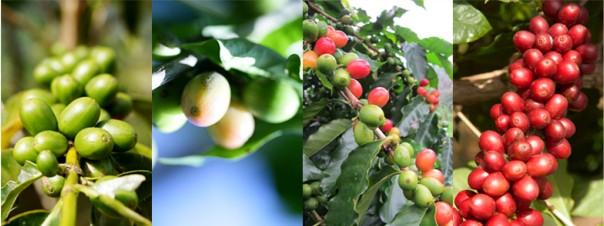
What is the coffee culture in Tanzania? Tanzania Forum Uganda, Kenya, Tanzania
Due to political instability and rampant diseases and insect pests, the coffee industry in Tanzania has been damaged, leading to a decline in the overall level of coffee and instability in quality, which in turn lead to lower prices, which are usually the result of a further decline in the coffee industry. What's more, it is estimated that more than 12% of the Arabica coffee grown in northern Tanzania from 1969 to 1985 has gone.

Kenyan Coffee Flavor and Taste Manor area introduces the cultural characteristics of the origin of Kenyan coffee
On an international scale, the increase in the number of Kenyan coffee is obvious, with exports of 800000 bags in 1969-1970 and increased to 2 million bags in 1985-1986. The general yield is stable at 1.6 million bags, with an average yield of about 650kg per hectare. Even before coffee prices skyrocketed, the average price of coffee in Kenya had been rising. 1993 Murray-1994 price comparison of 12 months

An introduction to Kenyan coffee beans the characteristics of Kenyan coffee beans the culture of coffee beans
Coffee entered Kenya in the 19th century, when Ethiopian coffee drinks were imported into Kenya through southern Yemen. But it was not until the early 20th century that the Bourbon Coffee Tree was created by the St. Austen Mission (St). AustinMission) is introduced. Kenyan coffee is mostly grown at an altitude of 1500 to 2100 meters and is harvested twice a year. To ensure that only ripe berries are picked, people must be in the forest

A brief introduction to the history and culture of the origin and development of coffee beans in Kenya
This coffee has an excellent medium purity, crisp and refreshing taste. It has a fresh flavor and is most suitable for drinking iced coffee in summer. When tasting this coffee, if it is paired with sour fruits such as grapefruit, it will certainly give me the best coffee experience. Kenya is bordered to the north by Ethiopia, the origin of Arabica coffee trees, but it was not until the early 20th century that it began to engage in coffee cultivation.

A brief introduction to the History and Culture of the Origin and Development of the aromatic Coffee Manor in Arusha, Tanzania
It is said that the earliest Arabica coffee in Tanzania was introduced by Christians from Kenya and is similar to Kenya in flavor characteristics. With grapefruit aromas and soft and bright acidity. However, because the economic conditions of Tanzania are worse than those of Kenya, the production conditions are poor. Tanzania's quality control is not strict enough, which destroys the coffee in many processing links.
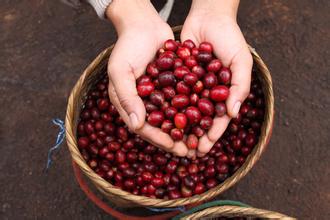
The characteristics of Kenyan coffee beans the culture of Kenyan coffee beans the origin of Kenyan coffee beans
Coffee entered Kenya in the 19th century, when Ethiopian coffee drinks were imported into Kenya through southern Yemen. But it was not until the early 20th century that the Bourbon Coffee Tree was created by the St. Austen Mission (St). AustinMission) is introduced. Kenyan coffee is mostly grown at an altitude of 1500 to 2100 meters and is harvested twice a year. To ensure that only ripe berries are picked, people must be in the forest